


SOLAR LIGHTING
SOLAR ON GRID SYSTEM
ON GRID SOLAR:
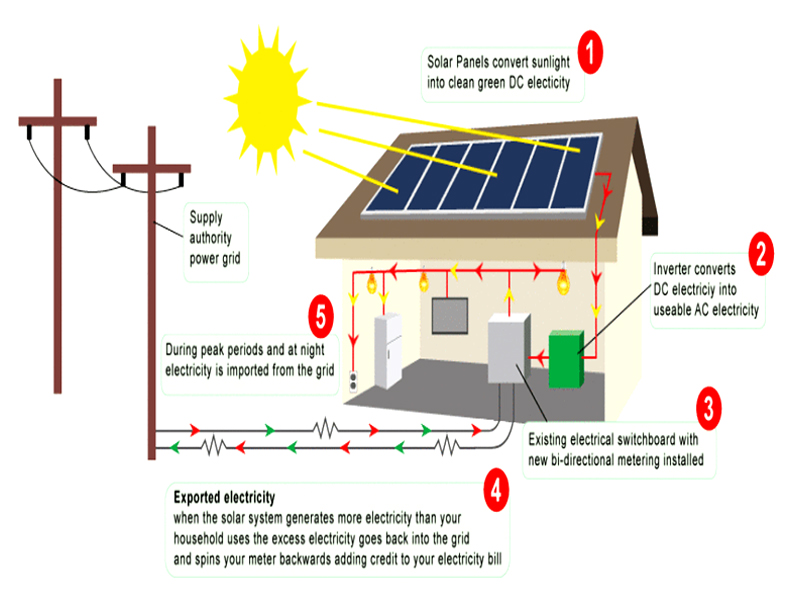
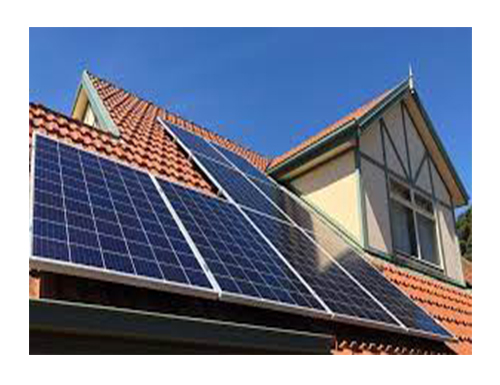
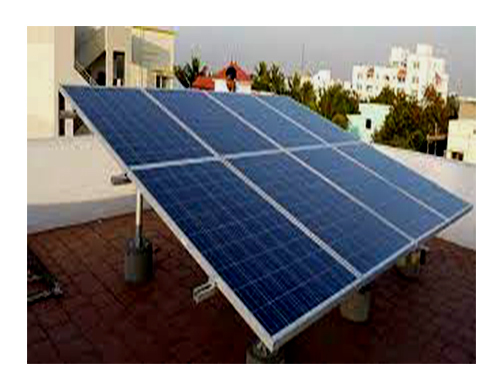
On-grid solar power system is a solar power generation system where it is connected to the utility grid. The electricity produced by the system is routed to the grid from where it is used to run the various appliances. The installation of the same is also fuss-free and easy to maintain.
WORKING OF ON GRID SOLAR POWER SYSTEM:
- The arrangement of solar modules absorbs the sunlight on them and convert them into electricity. The current generated here is Direct Current (DC). The solar inverter then converts the DC to Alternating Current (AC), thus making it power the electrical items. This electricity is then routed to the grid where it is supplied for day to day use. An important feature is a net meter. It is a device that records the energy supplied to the grid and the energy consumed. At the end of each month, the outstanding is recorded and the consumer is provided with a bill.
SOLAR HYBRID SYSTEM
WHAT IS HYBRID SOLAR SYSTEM?
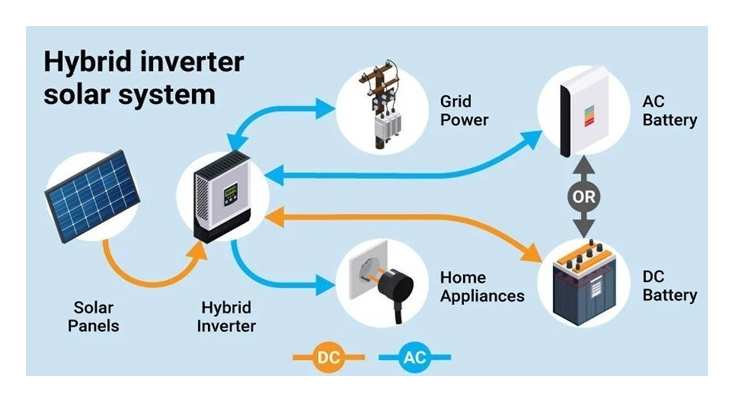
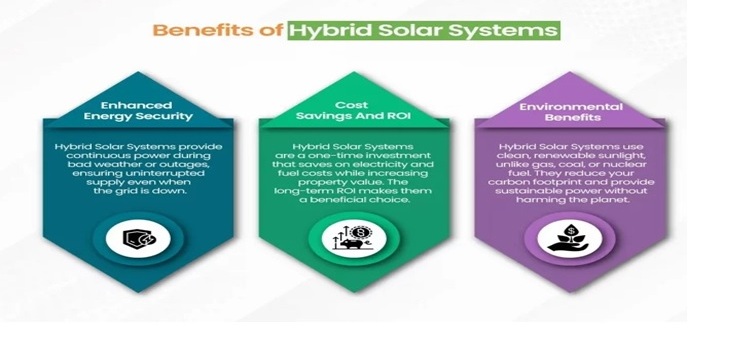
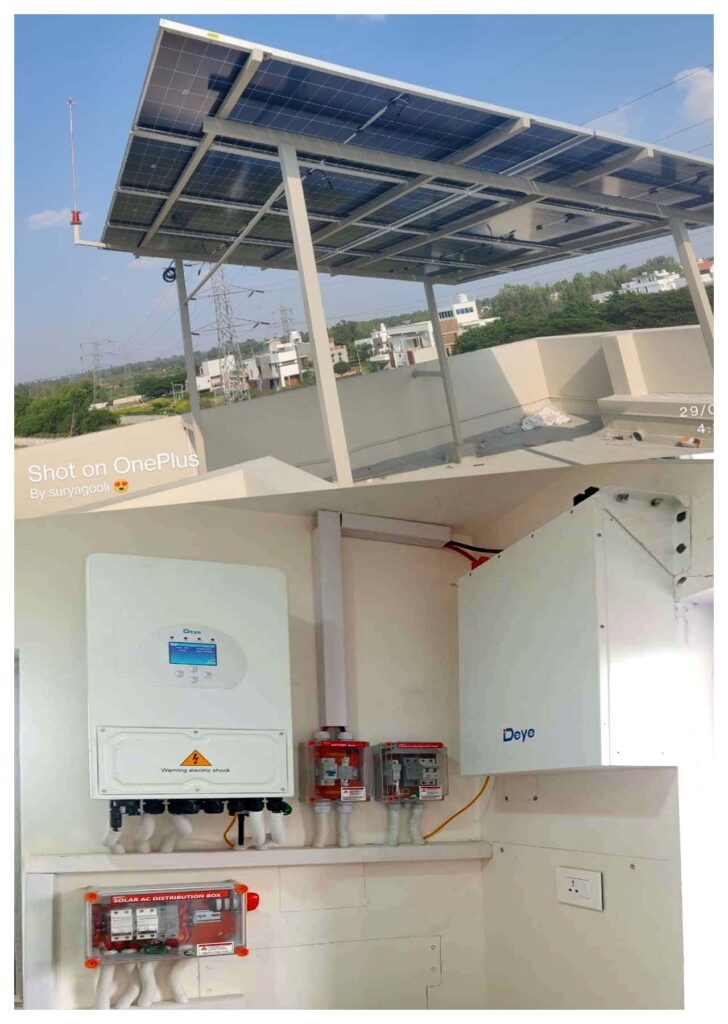
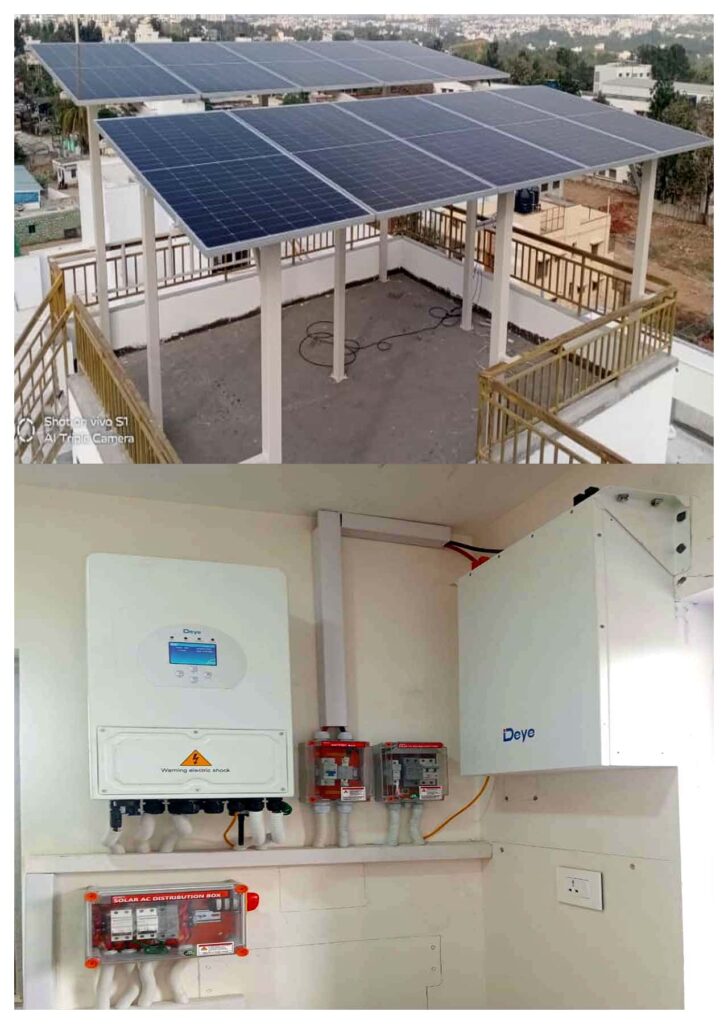
A Hybrid Solar System contains solar panels, a hybrid inverter, and battery storage to create an uninterrupted energy solution. The solar panels store sunlight and convert it into electricity, while the battery storage stores excess energy for later use.
The functionality of this system starts from a Hybrid Solar Panel that helps to capture the sunlight and then convert it into DC (Direct Current) electricity. The DC electricity from the Hybrid Solar Panel is converted into AC (Alternating Current) with the help of an Inverter. Then the excess solar energy produced during the day is stored in a Battery Storage for use at night or on cloudy days for a continuous electricity supply. These systems combine the best features of grid-tied and off-grid solar systems, ensuring continuous solar power operation. When solar and battery energy are insufficient, then Grid Connection draws power from the grid and also exports excess energy to the grid. This way Hybrid Solar Systems can be used even during a blackout!
INTRODUCTION TO SOLAR POWER:
India is densely populated and has high solar insolation, an ideal combination for using solar power in India. Much of the country does not have an electrical grid, so one of the first applications of solar power has been for water pumping; to begin replacing India’s four to five million diesel powered water pumps, each consuming about 3.5 kilowatts, and off-grid lighting. Some large projects have been proposed, and a 35,000 km² area of the Thar Desert has been set aside for solar power projects, sufficient to generate 700 to 2100 Giga watts.
The Indian Solar Loan Programme, supported by the United Nations Environment Programme has won the prestigious Energy Globe World award for Sustainability for helping to establish a consumer financing program for solar home power systems. Over the span of three years more than 16,000 solar home systems have been financed through 2,000 bank branches, particularly in rural areas of South India where the electricity grid does not yet extend.
Announced in November 2009, the Government of India proposed to launch its Jawaharlal Nehru National Solar Mission under the National Action Plan on Climate Change with plans to generate 1,000 MW of power by 2013 and up to 20,000 MW grid-based solar power, 2,000 MW of off-grid solar power and cover 20 million Sq meters with collectors by the end of the final phase of the mission in 2020.The Mission aims to achieve grid parity (electricity delivered at the same cost and quality as that delivered on the grid) by 2020.
Achieving this target would establish India as a global leader in solar power generation.
OBJECIVES OF THE SCHEME:
Acute power shortages in India are making most of the commercial and office establishments to have diesel generator backup. By setting up the grid interactive solar power plants on the rooftops would help in reducing the consumption of diesel during the day time in the areas where grid power is intermittent. If the grid power is continuous, the solar power generated will be utilized along with the grid power and the proportionate amount of grid power usage will get reduced. During minimum load periods (e.g. during weekends), the excess power generated from solar systems could be fed to grid. The consumer can be compensated for the exported power as per policy by the State. Connectivity of these projects to the grid also has to be in accordance with the prevailing CEA guidelines or policy by the State regulators/ DISCOMs.
PROJECTS
SOLAR OFF GRID SYSTEM
OFF GRID SOLAR:
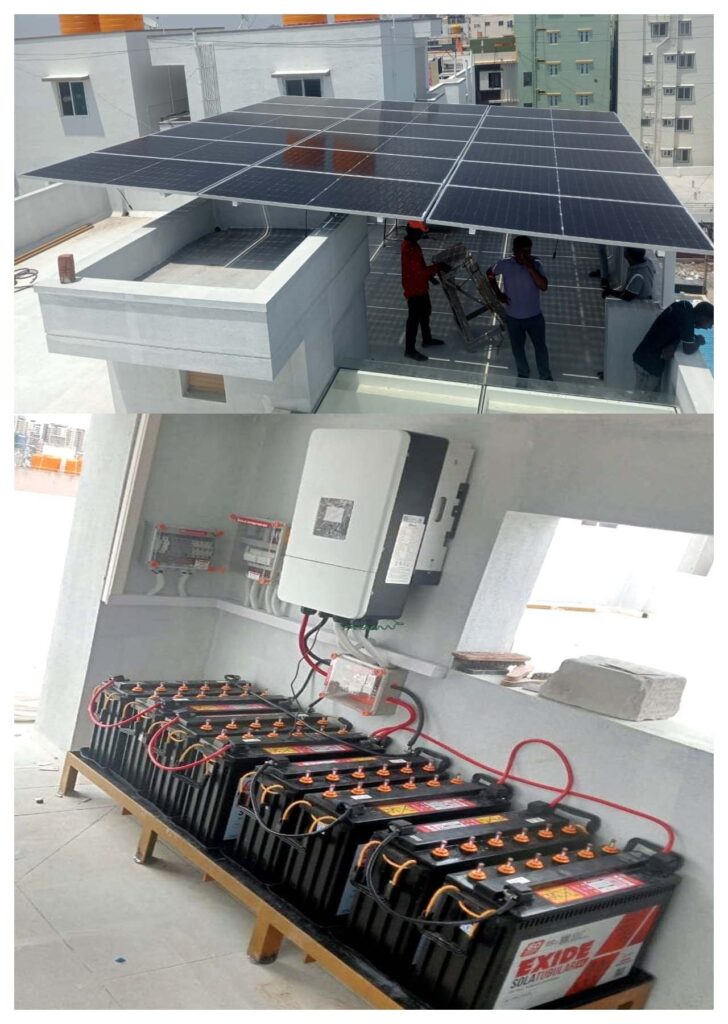
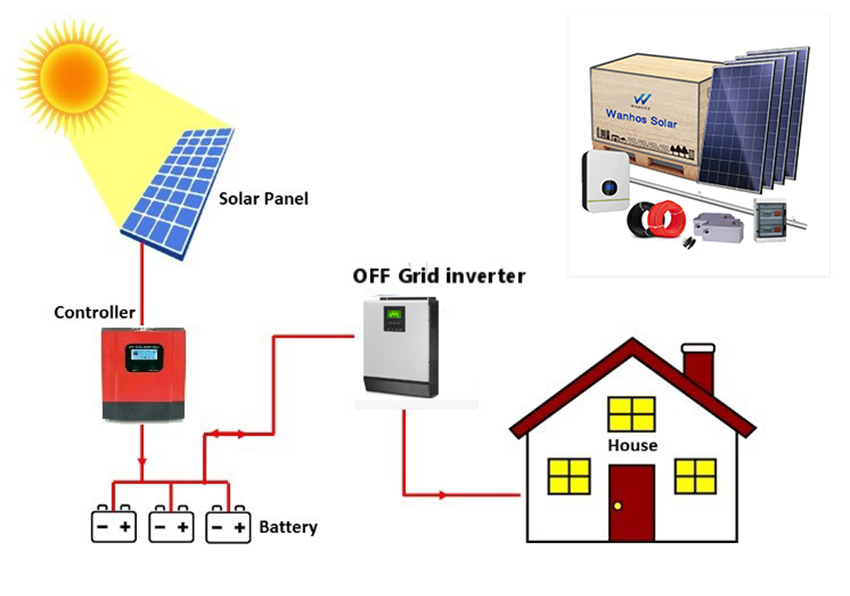
Off-grid systems work independently of the grid but have batteries which can store the solar power generated by the system. The system usually consists of solar panels, battery, charge controller, grid box, inverter, mounting structure and balance of systems. The panels store enough sunlight during the day and use the excess power generated in the night.
WORKING OF OFF GRID SOLAR POWER SYSTEM:
- Off-grid solar PV systems work on the basic photovoltaic principle, when solar radiations are incident on the solar panel it generates energy in the form of direct current(DC).
- The generated DC energy is fed to the charge controller which regulates the flow of charge and supplies the regulated power to the battery. To supply power during the night or on non-sunny days, batteries play an important role.
- On a sunny day when the solar panel operates efficiently and produces enough power to cater for the load and also to charge the battery, excess energy is stored in the battery and is retrieved later when required.
- The DC energy from a solar panel or battery is converted into alternating current(AC) energy (as most of the appliances at residential/commercial buildings run on AC supply) with the help of an inverter
- This converted AC energy is supplied to the loads connected with the help of the wiring connection.
SOLAR WATER PUMPING SYSTEM
ABOUT:
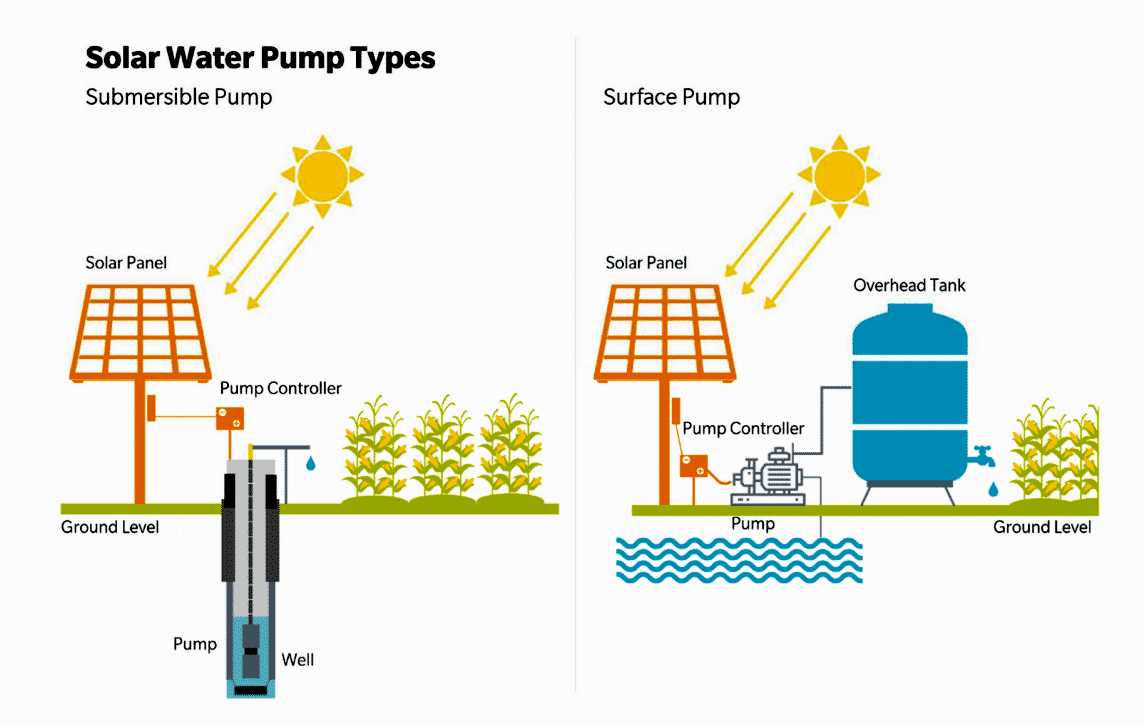
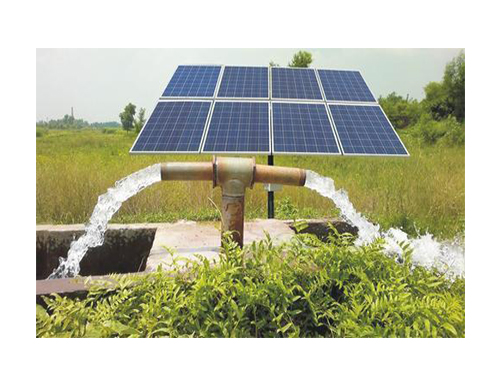
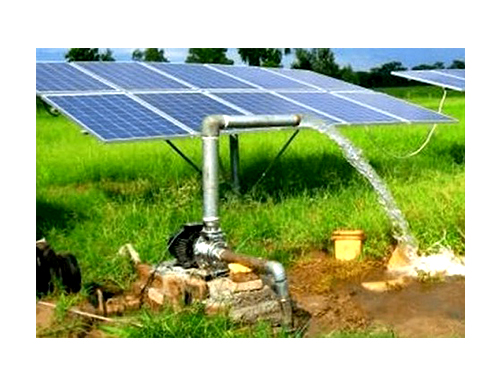
A solar water pump system is essentially an electrical pump system in which the electricity is provided by one or several PhotoVoltaic (PV) panels. A typical solar powered pumping system consists of a solar panel array that powers an electric motor, which in turn powers a bore or surface pump.
DETAIL:
A solar water pump is an entire water pumping system powered by solar energy through the use of solar photovoltaic panels. It does not use any fossil fuels or external electricity to run the pump.
The pump is a traditional water pump that is generally used for irrigation purposes.
- There are a few components to the solar water pump system, like the solar panel, a motor pump, and a control device to operate it. Some designs may also include an inverter or solar batteries.
- The solar water pump can be used for community irrigation purposes and works well on various water bodies. In-short the solar water pump is powerful enough to replace a traditional diesel or electric water pump.
AC STREET LIGHT
WORKING OF SOLAR LIGHT:
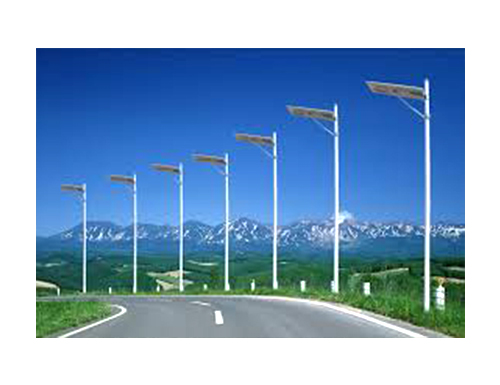
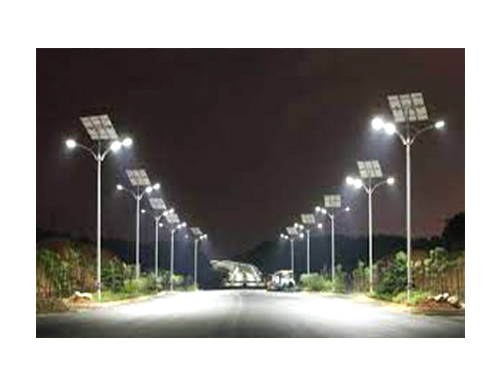
The solar street lights comprise of, which absorb the solar energy during daytime. The photovoltaic cells convert solar energy into electrical energy, which is stored in the battery. At the nighttime the lamp starts automatically and it consumes the electricity already stored in the battery.
